

“Look deep into nature, and then you will understand everything better.” – Albert Einstein
The enchanting allure of forests, the captivating beauty of nature, and the fragile balance of our planet’s ecosystems remind us of the profound importance of environmental preservation. As we celebrate the splendor of forests on this World Environment Day, it is crucial to recognize the need for robust legal measures to protect our natural heritage. This essay explores the significance of forests, the remarkable work of environmental activists like Wangari Maathai, the perils of pollution, and the imperative for effective legal frameworks to foster environmental stewardship.
The Beauty of Forests:
“In every walk with nature, one receives far more than they seek.” – John Muir
Forests are the epitome of natural beauty, providing us with breathtaking landscapes, vibrant biodiversity, and vital ecosystem services. These majestic havens serve as carbon sinks, absorbing greenhouse gases and mitigating the impacts of climate change. Forests offer refuge to countless species, support indigenous communities, and provide a sanctuary for exploration and solace. However, their magnificence is under threat, making their protection of paramount importance.

Legal Measures for Environmental Conservation:
“The Earth does not belong to us; we belong to the Earth.” – Chief Seattle
To safeguard our forests and the environment at large, robust legal measures are indispensable. Legislation plays a critical role in preserving ecosystems, promoting sustainable practices, and ensuring accountability. Some noteworthy legal measures include:
- Forest Protection Laws: Implementing comprehensive legislation that prohibits deforestation, encourages reforestation, and establishes protected areas is vital. These laws can safeguard biodiversity hotspots, preserve critical habitats, and regulate logging activities to prevent unsustainable practices.
- Environmental Impact Assessments (EIAs): Requiring thorough EIAs for development projects helps assess potential ecological consequences and guides decision-making. EIAs ensure that projects are carried out responsibly, taking into account the long-term environmental implications.
- Climate Change Mitigation Laws: Enacting legislation to reduce greenhouse gas emissions, promote renewable energy, and incentivize sustainable practices aids in combating climate change. These laws encourage the transition to a low-carbon economy and foster resilience in the face of environmental challenges.
- Waste Management Regulations: Establishing stringent laws to tackle various forms of pollution, particularly plastic pollution, is essential. Implementing comprehensive waste management systems, promoting recycling, and imposing restrictions on single-use plastics can help curb the devastating impacts of pollution on ecosystems and wildlife.
Inspiring Activism and Environmental Guardians:
“In the end, we will conserve only what we love; we will love only what we understand, and we will understand only what we are taught.” – Baba Dioum
Wangari Maathai, a renowned Kenyan environmentalist and Nobel laureate, was a beacon of hope in the fight for environmental conservation. Through her Green Belt Movement, she empowered communities to plant trees, restore degraded lands, and champion sustainable development. Maathai’s tireless efforts serve as a testament to the power of grassroots activism in creating lasting change. Today, countless climate change activists and environmentalists globally continue to advocate for urgent action, inspiring individuals, governments, and organizations to prioritize environmental stewardship.
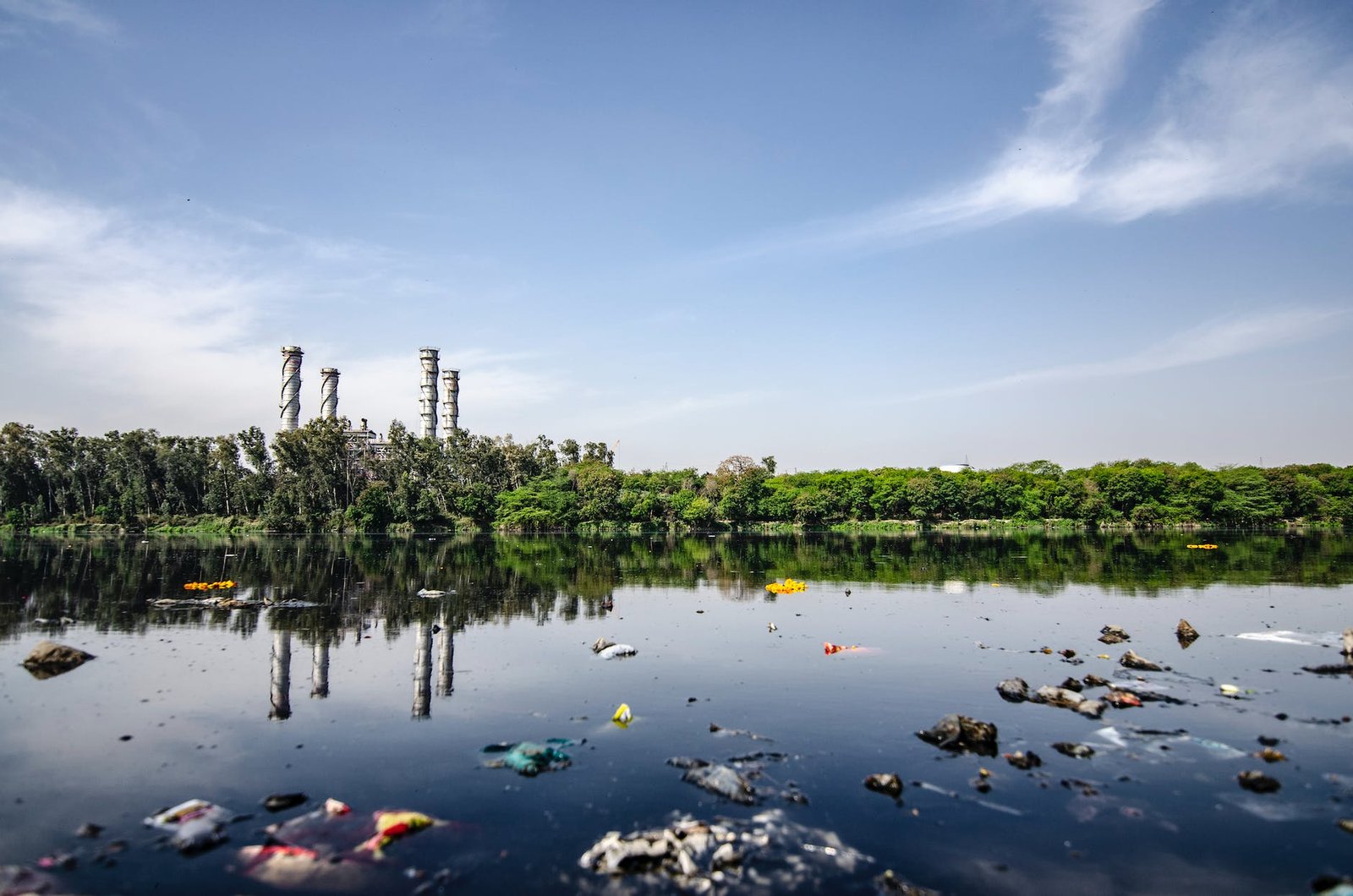
The Perils of Pollution:
“Earth provides enough to satisfy every man’s needs, but not every man’s greed.” – Mahatma Gandhi
Pollution, especially plastic pollution, poses a grave threat to our natural world. Plastics contaminate our oceans, poison marine life, and persist in the environment for centuries.
To address this issue, legal countermeasures are vital.
These include:
- Plastic Bans and Restrictions: Enforcing bans on single-use plastics, imposing levies on plastic bags, and encouraging the adoption of eco-friendly alternatives are effective measures to combat plastic pollution. Such regulations reduce the consumption and production of single-use plastics, promoting a shift towards sustainable practices.
- Extended Producer Responsibility (EPR): Implementing EPR laws holds manufacturers accountable for the lifecycle of their products, including proper disposal and recycling. This encourages product design for recyclability and fosters a circular economy, minimizing waste generation and the environmental impact of plastics.
- Public Awareness and Education: Developing educational campaigns and raising awareness about the detrimental effects of plastic pollution fosters responsible consumer behavior. By informing the public about the environmental consequences and promoting individual actions, we can collectively reduce plastic waste and protect our ecosystems.
Conclusion:
“In the end, we will conserve only what we love; we will love only what we understand, and we will understand only what we are taught.” – Baba Dioum
Preserving the beauty of nature and combating environmental challenges require a multifaceted approach. Through the remarkable efforts of environmental activists like Wangari Maathai and the collective determination of individuals, governments, and organizations, we can ensure a sustainable future. By enacting comprehensive legal measures, such as forest protection laws, waste management regulations, and climate change mitigation policies, we can safeguard our natural heritage. Simultaneously, tackling pollution, particularly plastic pollution, demands stringent regulations, including plastic bans, EPR, and public awareness campaigns.
Let us be the guardians of our planet, embracing the responsibility to protect and restore our ecosystems. As we celebrate World Environment Day, let us renew our commitment to preserving nature’s splendor and advocating for the legal measures and countermeasures necessary to secure a sustainable and thriving future for generations to come.
“Only when the last tree has died, the last river has been poisoned, and the last fish has been caught, will we realize that we cannot eat money.” – Cree Indian Proverb

Leave a Reply